The room is cold. Find the cause before buying the fix.
The room is cold. That tells you there is a problem. It does not tell you whether to buy windows, add insulation or replace heating equipment.
Before committing to an expensive upgrade, get an explanation that connects the proposed work to the problem you actually want solved. A warmer bedroom and a lower annual energy bill are related goals, but they are not the same promise.
The City of Toronto recommends an EnerGuide home energy evaluation before work on windows, insulation, heating or cooling equipment. A registered energy advisor assesses the home and provides a rating, information about its energy use and a renovation upgrade report. That report can help you decide what to investigate and do first.
Describe the room before shopping for equipment
Write down where you feel uncomfortable, when it happens and what you have noticed. Is it one bedroom or the whole upstairs? Does the problem appear mainly on windy days? Is the floor uncomfortable even when the air feels warm? Has anything changed since the last renovation?
These observations do not diagnose the house. They give the advisor and the appropriate contractor something more specific to work with than “the heating is terrible.” Bring photos and any previous reports or work records you already have.
A quote should eventually answer your original complaint. If you asked about a cold bedroom and the proposal only promises lower whole house energy use, ask who will assess the bedroom and how they will check the result.
What the evaluation actually checks
Natural Resources Canada describes the evaluation as a combination of measurements and information about the building. It includes a blower door test for airtightness, insulation, windows and doors, heating and cooling equipment and ventilation. The advisor uses the collected information in energy simulation software.
That is different from a salesperson looking at one product you might replace. Ask the service organization about the evaluation's scope, price and reports before booking. An energy evaluation is not a substitute for having an unsafe or malfunctioning appliance assessed by the appropriate qualified professional.
Follow the advisor's preparation instructions. NRCan calls for clear access to the relevant spaces and explains special precautions around fuel burning equipment during the blower door test. Do not improvise those precautions or operate equipment against the advisor's instructions.
Ask what each savings number assumes
A predicted saving is not a refund waiting in your bank account. Ask what energy prices, occupancy and heating habits sit behind it. Then ask how the result could change if those assumptions change.
Here is a made up comparison, not a Toronto quote or savings estimate. An upgrade costs $10,000 and is projected to save $500 a year. Dividing $10,000 by $500 gives a simple payback of 20 years. If the saving is $300, the same calculation is about 33 years.
Those calculations leave out financing, maintenance, future energy prices and the value of improved comfort. They do not decide whether the work is worthwhile. They show why a claim of “it pays for itself” needs a number, an assumption and a period of time attached to it.
If you are comparing several upgrades, ask for the combined estimate as well as the individual ones. Do not add separate savings figures together unless the advisor confirms that the calculation accounts for how the projects interact.
Make the quotes describe the same job
Give each contractor the relevant findings and ask them to state exactly what is included. Compare the proposed materials or equipment, preparation, finishing, disposal, permits where applicable, testing, warranties and exclusions. A lower total for a different job is not necessarily a saving.
Ask which work should happen first and whether doing one project changes the requirements for another. If you are relying on an incentive, check the current program's own rules before signing or starting work. The existence of an energy report does not prove your project qualifies for a payment.
For a condo, confirm with the corporation what you can change and what approvals are needed. If you rent, raise the comfort problem with the landlord rather than commissioning changes to someone else's property.
You do not need to become a building scientist to ask for a better explanation. You need to know what problem the work is supposed to solve, what evidence supports it and how you will know whether it worked. Get those answers before choosing the biggest item in the quote.
General homeowner education from SirLuckHomes Real Estate Brokerage, October 29, 2026. This is not a diagnosis of a particular home or a recommendation for a specific product. Use qualified energy and building professionals for property specific assessments.
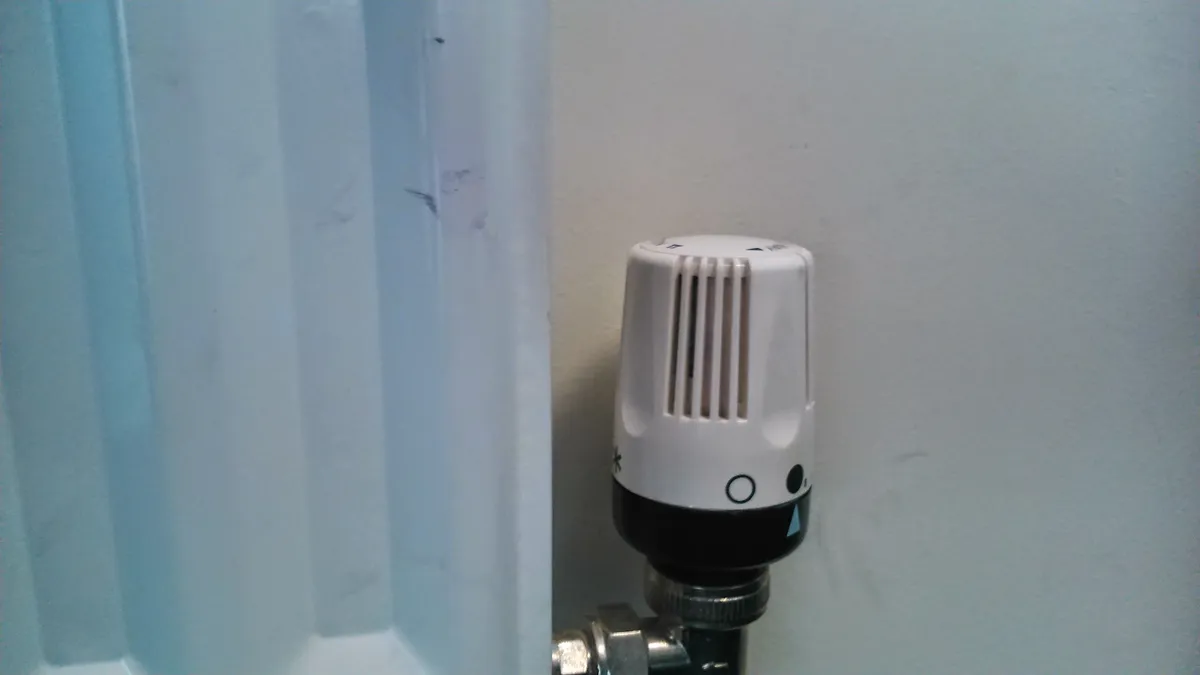
Illustrative cover: radiator temperature control, photographed June 11, 2014 by 247homerescue. Wikimedia Commons, CC0. Not a SirLuckHomes property, a diagnosis or an equipment recommendation.
