Lower home prices help buyers. They can also slow new construction.
Lower home prices help buyers. They can also slow new construction.
A lower asking price can make a home easier to buy. But if builders cannot make a project work at those prices, fewer new homes may follow. That is one of the problems Carolyn Rogers, the Bank of Canada’s Senior Deputy Governor, described in her October 1, 2026 speech on housing affordability.
For someone looking at homes in the GTA, the immediate question is still practical: what can you afford to carry each month, and what is actually available where you want to live?
Why a price drop does not solve everything
Rogers explained that falling prices can give buyers some relief while reducing household wealth and slowing sales and construction. Housing also takes up a large share of household borrowing and bank lending. That makes a change in housing conditions matter beyond the person buying or selling today.
It is a national explanation of the problem. It does not tell us that every Toronto neighbourhood is moving the same way, or that a particular home will sell for less next month.
What goes into the price of a new home
In an October 2 explainer, the Bank lists the many costs of construction, including materials, labour and financing. A lower policy rate can reduce some borrowing costs and influence demand. Developers also consider whether buyers want the homes and whether the project can be financed.
That is why a rate cut alone cannot tell you when a condo project will start, what a builder will charge or what your lender will approve.
What to check before making your move
If you are buying, compare the full monthly cost of the homes you are considering. A smaller purchase price can still come with property taxes, maintenance fees or repair costs that strain your budget. Get financing figures for your own circumstances from your lender or mortgage professional.
If you are selling, look at the homes competing with yours and the recent sales nearby. A national speech cannot price your property. If you are considering a new build, review the specific project, agreement and deposit arrangements with the appropriate professionals.
Both Bank publications explain why affordability takes more than one change. Use that context, then make the decision with the facts for your home and your finances.
Sources: Bank of Canada, Canada’s housing affordability dilemma, October 1, 2026; Bank of Canada, Breaking down the costs of building new housing, October 2, 2026.
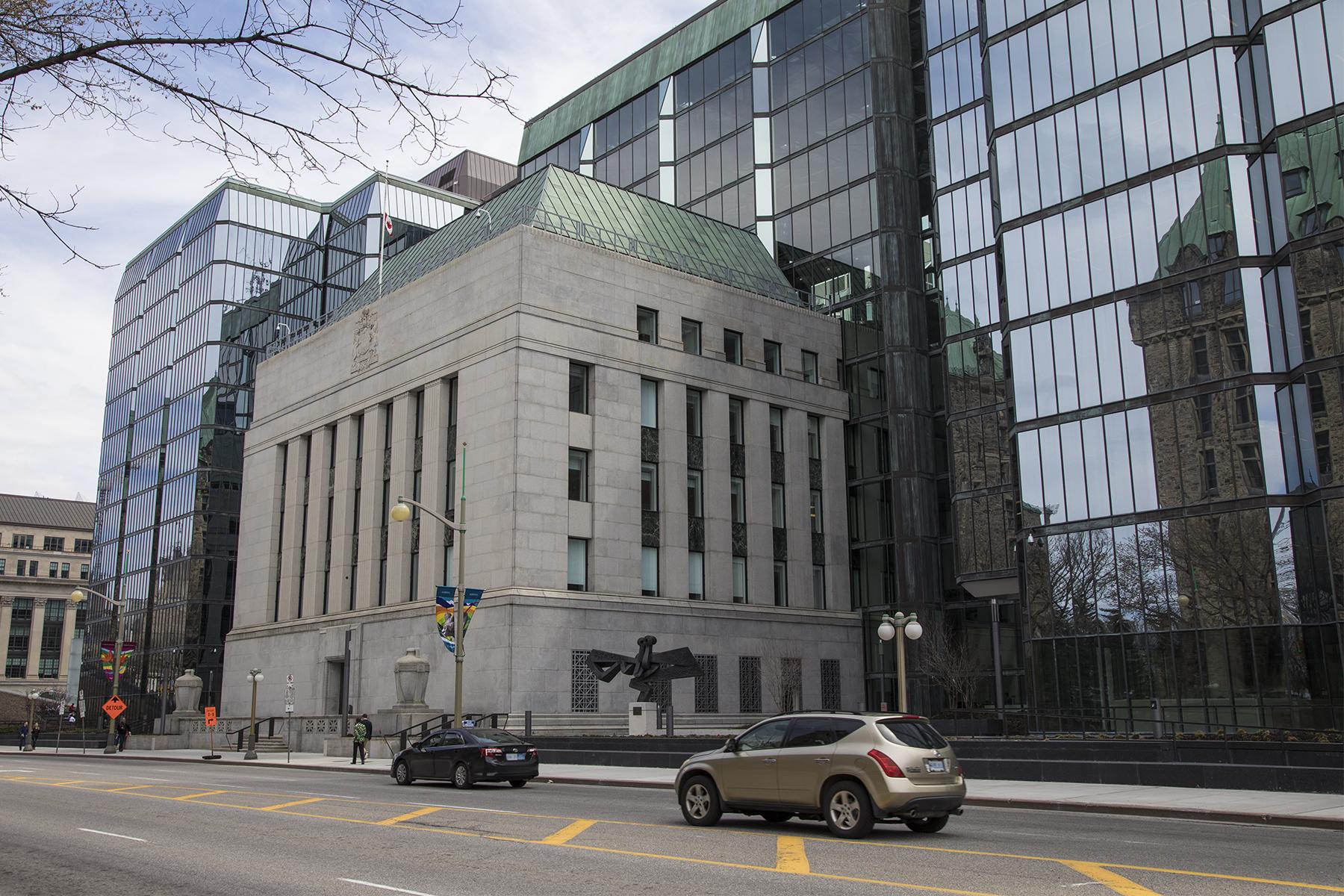
Cover photo: Bank of Canada head office in Ottawa. Photo from the Bank of Canada, reproduced without alteration under its website terms. The Bank does not endorse this article.