Check what your alarm detects. Smoke and carbon monoxide aren't the same.
There's an alarm on the ceiling. Good. But what does it actually detect?
Smoke and carbon monoxide are different hazards. Some alarms detect both. Others don't. Before assuming the home is covered, read the label and instructions. The shape of the device isn't enough.
The rules changed in January, not this weekend
Ontario's expanded carbon monoxide alarm requirements took effect on January 1, 2026. For a house with a fuel burning appliance, fireplace or attached garage, alarms are required beside each sleeping area and on every storey, including floors without bedrooms. Ontario also includes houses heated by air from a fuel burning appliance outside the home. Read Ontario's carbon monoxide guidance.
That means checking only the bedroom hallway can miss part of the requirement. Walk through the whole home. A basement without a bedroom is still a storey.
Make a simple record of which device is on each floor, what it detects and when it needs replacement. If an alarm is missing or you're unsure whether the setup meets the requirements, ask the local fire department. A photograph of a room doesn't establish compliance.
A condo needs its own check
Don't assume an apartment or condo needs no carbon monoxide alarm just because the unit has no gas stove. Toronto Fire Services lists other triggers, including a unit directly above, below or beside a service room or garage, and a unit heated by air from a fuel burning appliance outside the unit. Where the requirements apply, alarms belong beside sleeping areas and on each storey of the unit. See Toronto's housing type guidance.
The detail matters in a building where heating equipment or parking is shared. Ask the building manager for the relevant information, then take any uncertainty about the requirements to the fire department. Don't guess from the appliances you can see inside the kitchen.
Learn the sounds before you need them
Toronto recommends testing smoke and carbon monoxide alarms monthly. Learn the difference between an emergency alert, a low battery warning and an end of life warning by following the manufacturer's instructions. Don't assume every beep means the same thing.
Keep those instructions where the people living in the home can find them. If someone moves in, show them the alarms and explain the emergency plan. A device that nobody understands creates another avoidable problem.
If a carbon monoxide emergency alarm sounds, get everyone outside immediately and call 911 or local emergency services from outside, as Ontario advises. Don't stay inside to find the source or decide whether you feel unwell.
An alarm isn't a replacement for looking after the equipment. Ontario recommends professional inspection and cleaning of fuel burning appliances, chimneys and vents every year before cold weather. Arrange that work with a qualified contractor, not a do it yourself repair prompted by a blog.
If you're buying a home, put alarm coverage and the available equipment maintenance information on the list of questions for your Realtor and inspector. This is general education, not a safety inspection or a decision about the legal obligations for a particular building.
Sources and photograph
Ontario's Office of the Fire Marshal guidance and Toronto Fire Services' page were checked on October 11, 2026. The provincial page was updated December 30, 2025; Toronto's page was updated January 5, 2026. The requirements described above are already in effect.
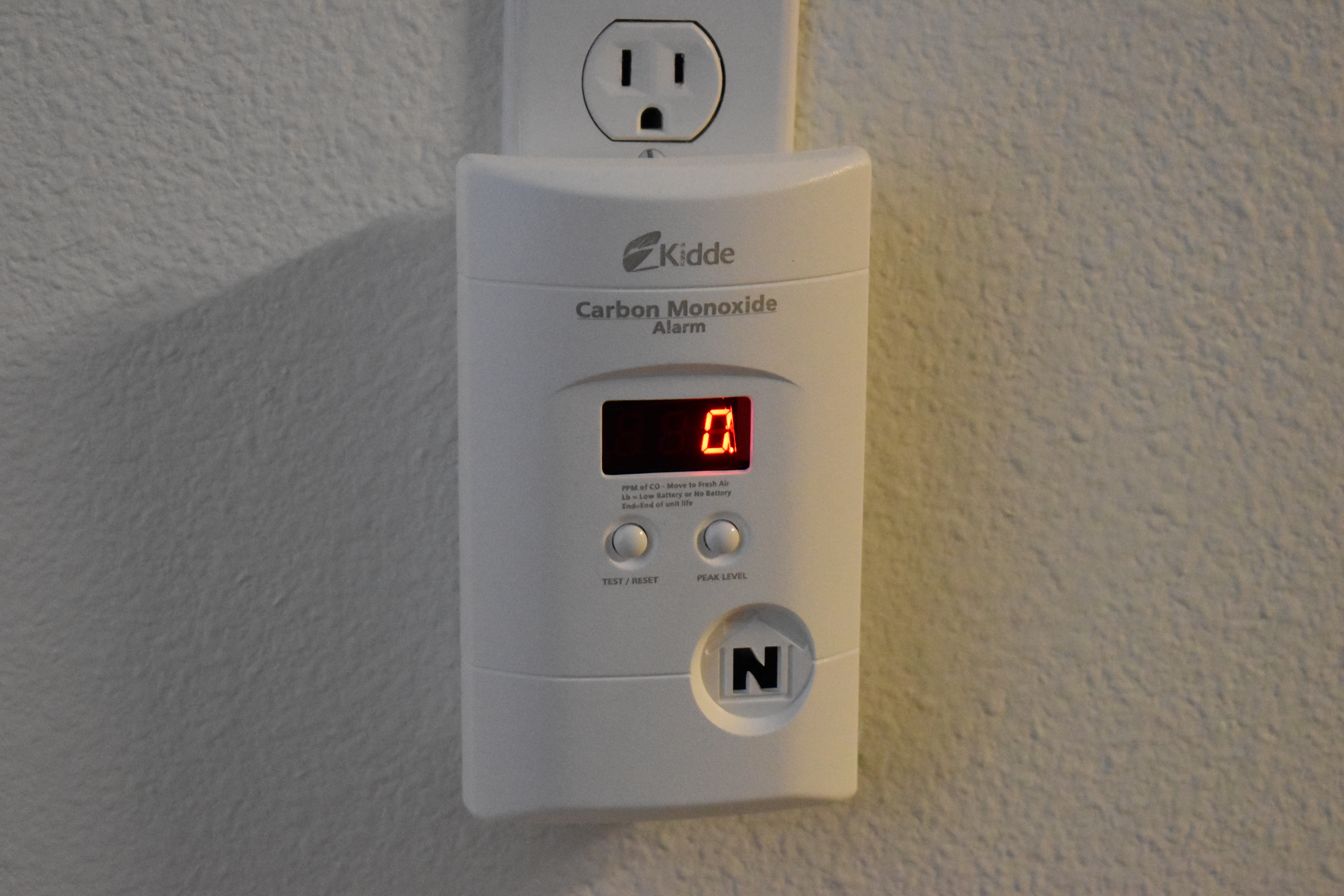
Illustrative carbon monoxide alarm photographed by FASTILY on January 13, 2018, used unchanged under CC BY-SA 4.0. This is not a SirLuckHomes property or an endorsement of the pictured model. Its displayed reading does not establish anyone's current safety or the correct placement for another device.