That condo balcony is yours to use. Check before changing it.
A condo balcony can add a lot to your day. But before you pay more for it, check whether you can actually use it the way you have pictured. Space for a barbecue, a screen or new flooring is not the same thing as permission to put it there.
The distinction starts with the property itself. The Condominium Authority of Ontario explains that a balcony can be an exclusive use common element. The corporation owns it, while an owner has the exclusive right to use it. That is not unrestricted ownership of a little piece of the building.
Tell your Realtor what you want to do out there
“I want a balcony” leaves a lot unsaid. Do you want two chairs and morning coffee? A place to cook? Privacy from the neighbouring unit? Somewhere to keep bicycles through winter? Those are different requirements. Write down the uses that matter before comparing units.
Then separate physical fit from permission. Measure the usable space, the door opening and the furniture you already own. Think about how you would get around a table when someone is seated. A wide photograph does not answer those questions, and a measuring tape does not answer the legal ones.
Ask for the current documents that address your intended use. The CAO's resale buyer guidance identifies the declaration, bylaws, rules and status certificate as important documents to review. Have your lawyer explain the provisions affecting the particular unit and balcony. Do not treat a listing description as a replacement.
Existing furniture is not proof of approval
A screen already installed at a showing can make the balcony feel private. It does not tell you who installed it, whether approval was obtained or whether anything must be removed. Ask for the relevant written approval or agreement and have it reviewed. If it cannot be produced, keep that uncertainty in the purchase discussion instead of turning it into an assumption.
The same applies to something you see on another floor. “Other people have one” is an observation, not an answer about your unit. Ask about the exact item, location and proposed installation. A freestanding chair and something attached to a railing are not the same proposal.
The CAO says most owner proposed changes to common elements require board approval and a formal agreement under section 98 of the Condo Act. Ask the corporation about its process before hiring a contractor or ordering materials. A contractor's willingness to do the job is not the corporation's approval.
Put a price on the part you would actually use
Consider a made up comparison. One unit costs $15,000 more than another, and the outdoor space is your main reason for preferring it. You expect to use it for cooking and privacy. If those uses have not been confirmed, you have not yet established that the extra price buys the benefit you want.
That does not mean the balcony is worth nothing, or that $15,000 is a GTA balcony valuation. It means your comparison needs another step. Would you still prefer the unit if the outdoor space could only accommodate the furniture and uses already confirmed? If yes, compare it on that basis. If no, resolve the unanswered questions before treating it as the better purchase.
Include access in that conversation. Ask whether any known work would restrict use and what information is available about the timing. Do not convert an informal estimate into a guaranteed completion date.
Get the answer before the purchase depends on it
Send one clear request listing your intended uses, the existing alterations you noticed and the documents you need reviewed. Let your Realtor coordinate the property questions and your lawyer address the rights, approvals and purchase terms. If a feature is essential, tell them early enough to deal with it in the transaction.
The goal is not to talk yourself out of outdoor space. It is to avoid paying for an imagined version of it. Buy the balcony you can use, not the one you hope the rules will allow.
General buyer education from SirLuckHomes Real Estate Brokerage, October 30, 2026. Get legal advice on the documents and rights for a particular condo.
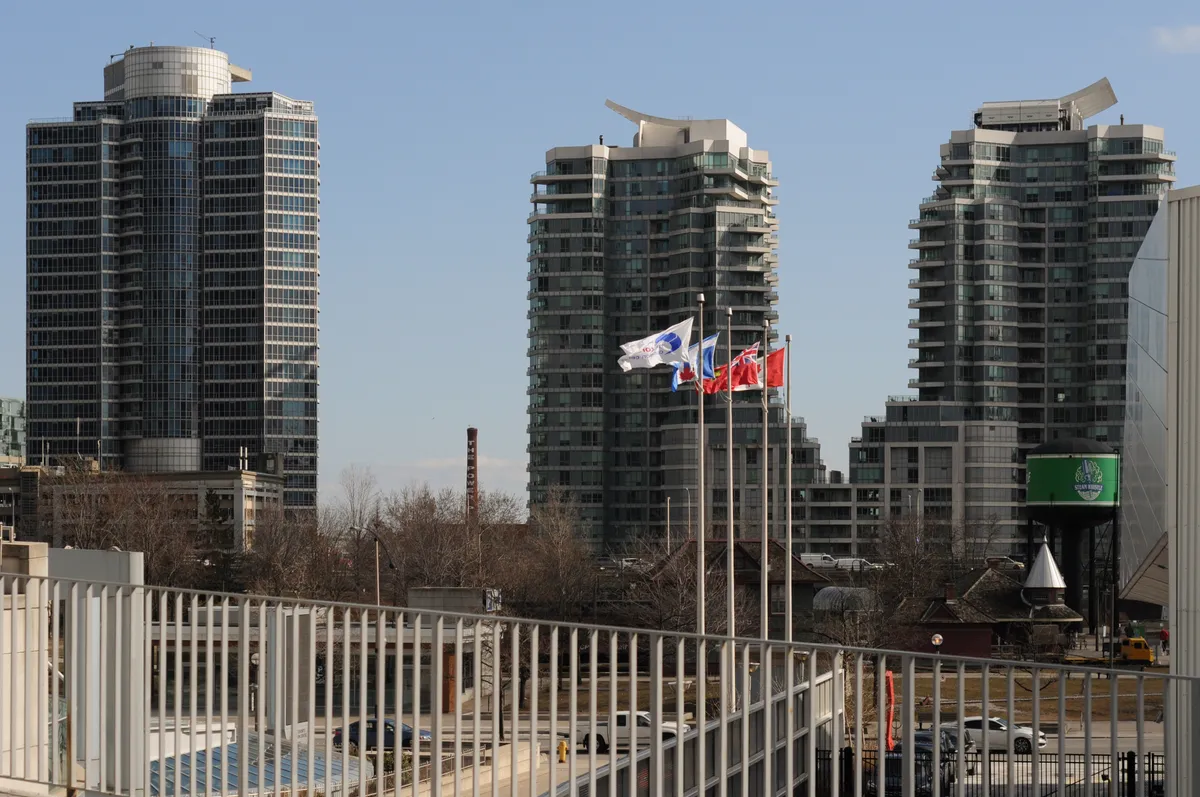
Illustrative photograph: Toronto waterfront condominiums, Milan Suvajac, April 1, 2019, via Wikimedia Commons, CC BY-SA 4.0. Photograph not altered except for display sizing. No claim about the rules, condition or availability of the pictured buildings.
